Botanical Research · 3 September 2026 · Field Notes & Documentation · 10 min read
Botanical Extracts & Tropical Plant Sources
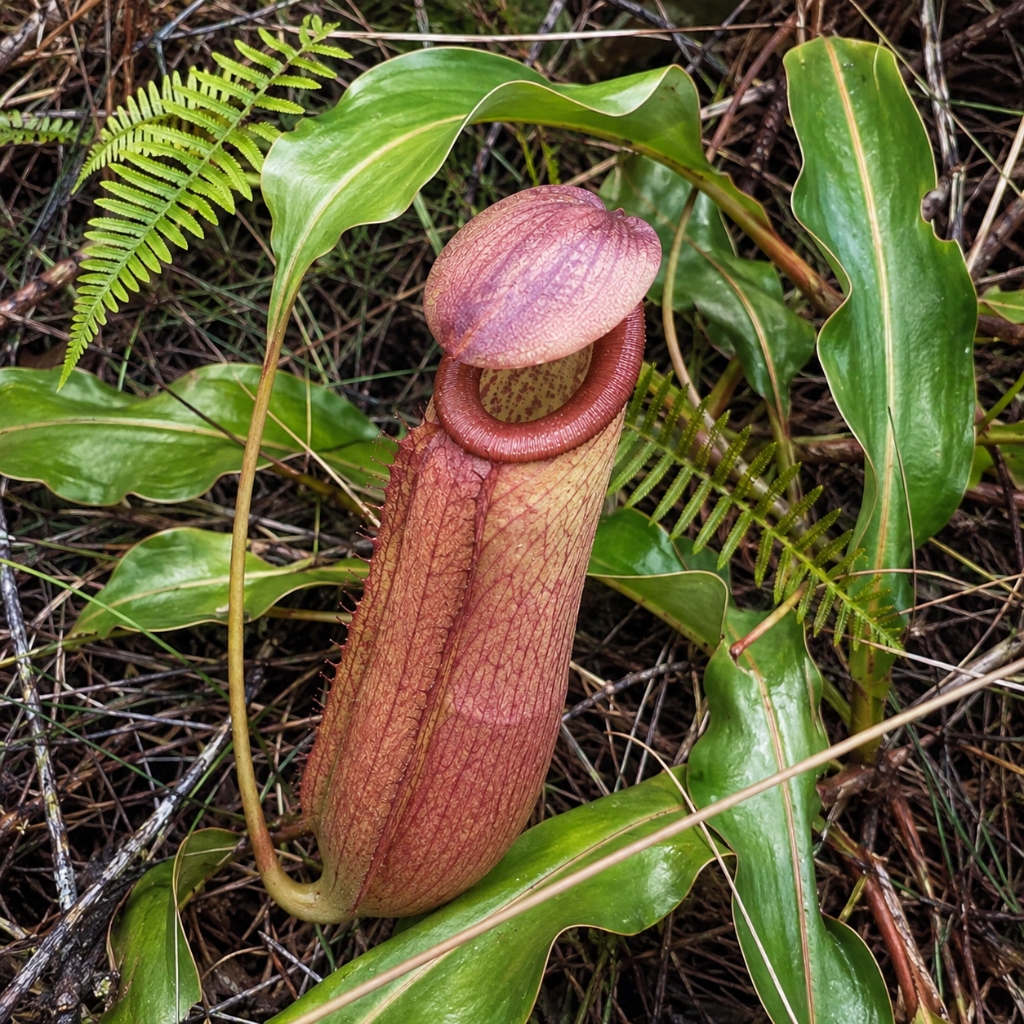
Tropical ecosystems harbor remarkable botanical species whose specialized adaptations, seeds, and fruits have fascinated researchers and herbalists alike. From the carnivorous leaf modifications of Nepenthes pitcher plants to the nutrient-rich seeds of Theobroma cacao and the vivid carotenoid pods of Bixa orellana, understanding these natural sources provides valuable context for modern plant-based wellness practices.
The genus Nepenthes comprises tropical pitcher plants native to Southeast Asian rainforests. These unique plants feature modified leaf structures termed pitchers (laminar ascidia) that form fluid-filled traps designed to capture and digest prey, acquiring essential nitrogen and phosphorus in nutrient-poor acidic soils.
Scientific interest in Nepenthes focuses on the specialized fluid within unopened and freshly opened pitchers. This bio-fluid contains natural hydrolytic enzymes, including aspartic proteases (nepenthesin I and II), chitinases, and glucanases, alongside antibacterial secondary metabolites. Phytochemical studies highlight the presence of naphthoquinones (such as plumbagin and droserone), flavonoids, and phenolic acids that protect the plant's digestive cavity from microbial degradation.
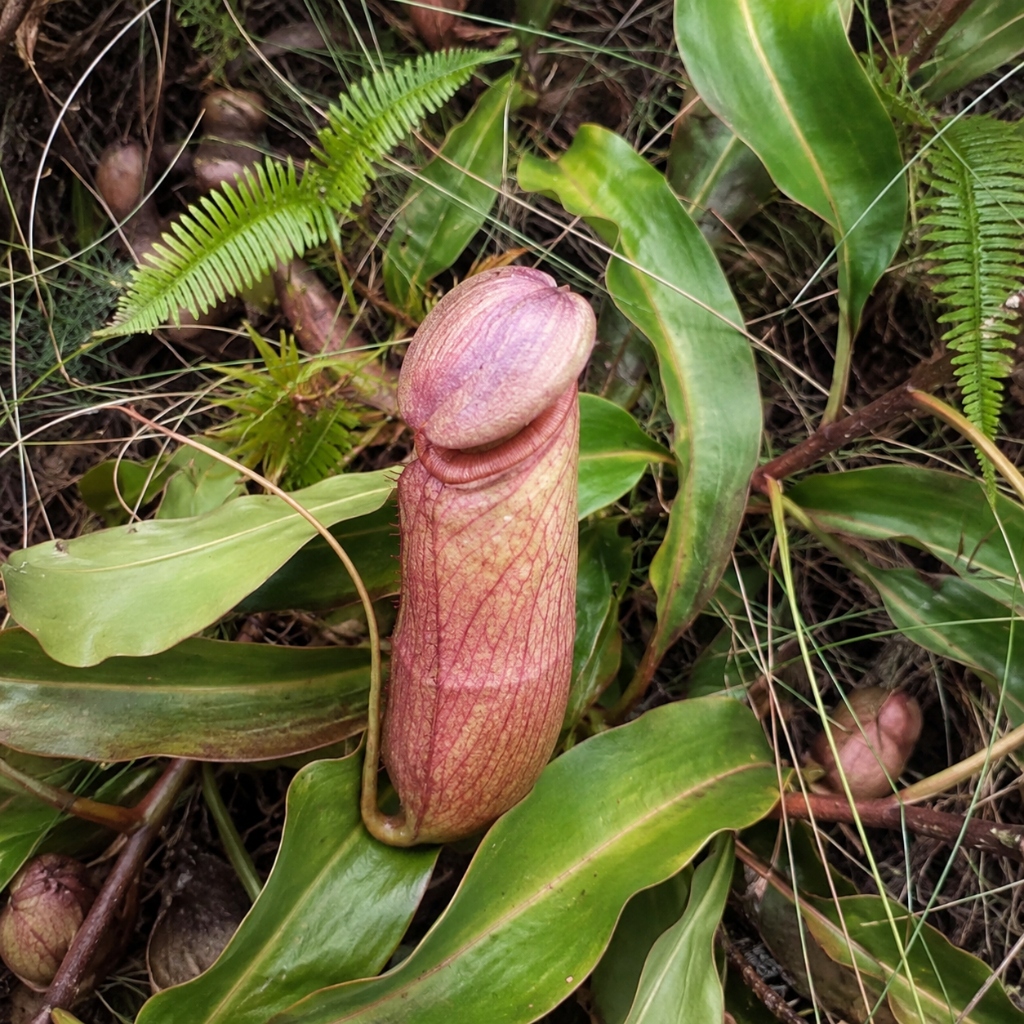
The pitcher's upper lid (operculum) prevents excessive rainfall from diluting digestive enzymes, while the smooth, ribbed rim (peristome) utilizes micro-structured wax and moisture layers to slip attracted insects directly into the digestive zone.
Phytochemical analysis of pitcher tissue shows concentrated levels of secondary antioxidants and defensive compounds evolved to withstand high humidity and tropical fungal pressure.
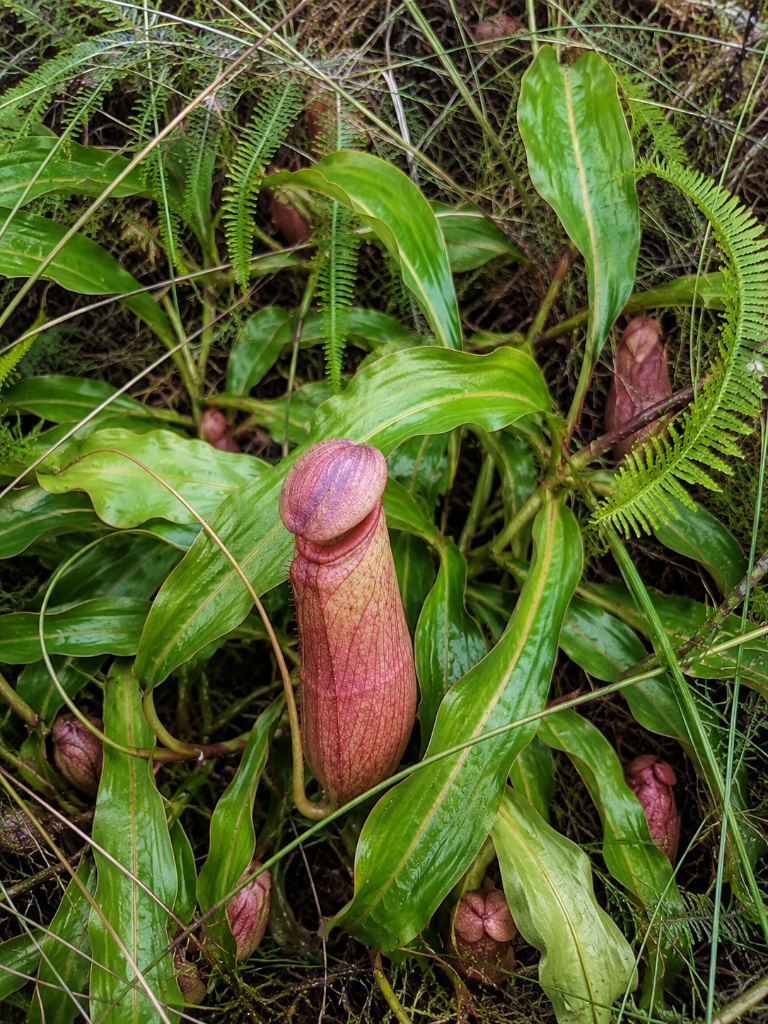
In wild montane and lowland forests, Nepenthes colonies thrive among mosses and ferns. Their presence indicates specialized ecological niches where nutrient cycling relies heavily on organic bio-capture rather than soil absorption.
Botanical conservation emphasizes protecting these micro-habitats, which serve as natural reservoirs of rare plant enzymes and bioactive compounds studied in agricultural and biochemical research.
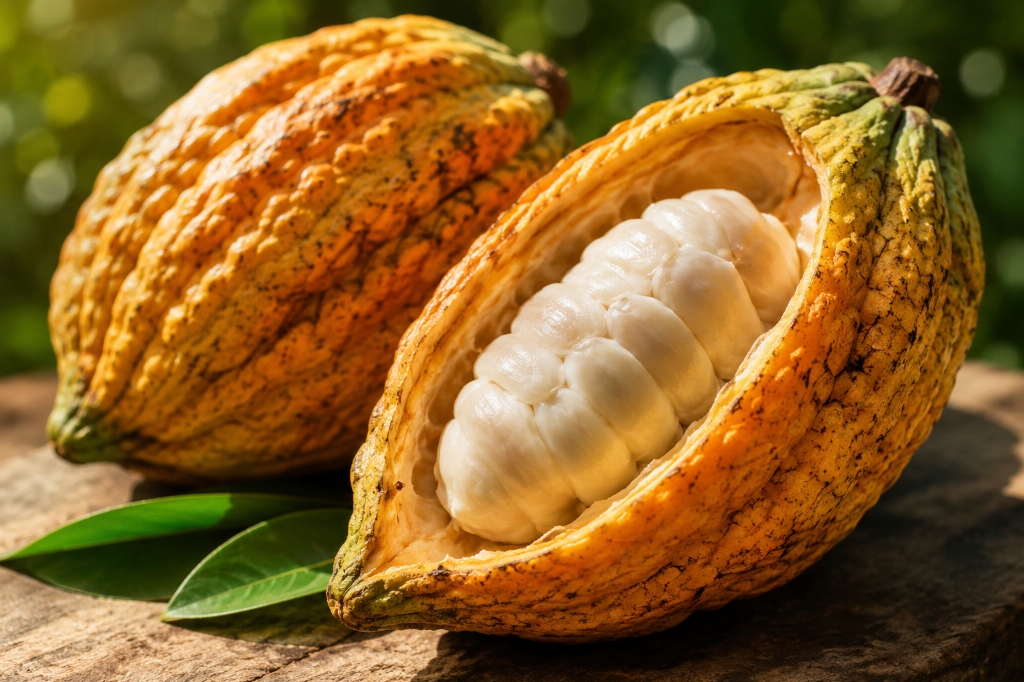
The fruit of Theobroma cacao contains seeds embedded in a sweet, mucilaginous white pulp. Raw cacao seeds are one of nature's most concentrated sources of dietary flavanols (epicatechin and catechin), dietary magnesium, potassium, iron, and methylxanthine compounds (theobromine).
Unprocessed cacao beans retain high concentrations of natural antioxidants that support cellular health, cardiovascular wellness, and balanced daily energy rhythms when included in dietary routines.
Bixa orellana, commonly known as Annatto or Achiote, produces distinctive spiky fruit pods that open to reveal bright crimson seeds. Native to tropical regions, the seed coats are densely rich in carotenoid pigments—primarily bixin and norbixin—which provide intense natural red and orange hues.
Beyond their traditional use as a natural food colorant, annatto seeds contain significant levels of delta-tocotrienol (a potent isomer of vitamin E), terpenoids, and polyphenolic antioxidants. Studies explore tocotrienols from annatto for their role in lipid metabolic health and cellular protection.
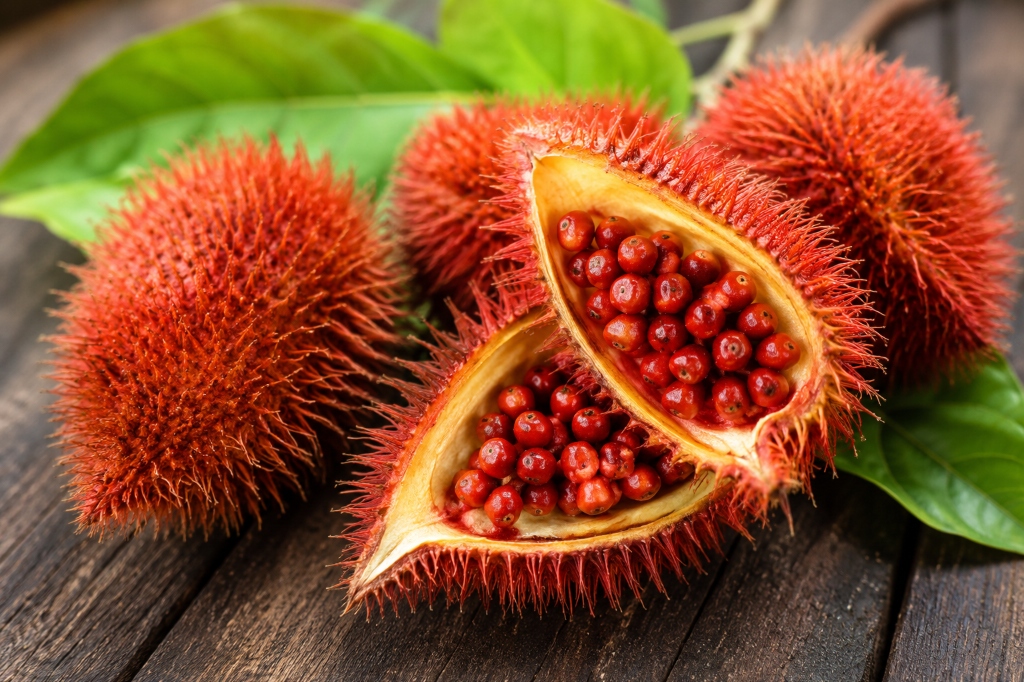
The outer aril of Bixa orellana seeds contains up to 80% bixin. The carotenoid complex acts as a natural sun-shield for the developing seed and provides stable fat-soluble antioxidants.
When evaluated in botanical nutrition, annatto offers a clean whole-plant alternative to synthetic colorants while delivering natural tocotrienols.
| Plant Species | Primary Active Compounds | Natural Role / Bioactivity | Field Habitat |
|---|---|---|---|
| Nepenthes spp. (Pitcher Plant) |
Nepenthesin proteases, plumbagin, naphthoquinones, flavonoids | Enzymatic bio-digestion, microbial defense, specialized secretion | Humid tropical rainforests, acidic peat soils |
| Theobroma cacao (Cacao Tree) |
Flavanols (epicatechin), theobromine, magnesium, polyphenols | Cellular antioxidant protection, metabolic energy, mineral balance | Tropical understory, shade-grown orchards |
| Bixa orellana (Annatto / Achiote) |
Bixin, norbixin, delta-tocotrienol (Vitamin E isomer), carotenoids | UV protection, fat-soluble radical scavenging, natural pigmentation | Tropical lowlands, sunny forest borders |
Observing botanical plants in their native habitats underscores the rich diversity of natural compounds—from specialized digestive enzymes in carnivorous pitchers to polyphenols in cacao and carotenoids in annatto. Documenting these natural sources enriches our understanding of whole-food ingredients and plant-derived supplements.