Ashwagandha men supplement · 20 April 2026 · Fajar Kurniawan · 13 min read
Ashwagandha KSM-66 in a Measured Supplement Routine
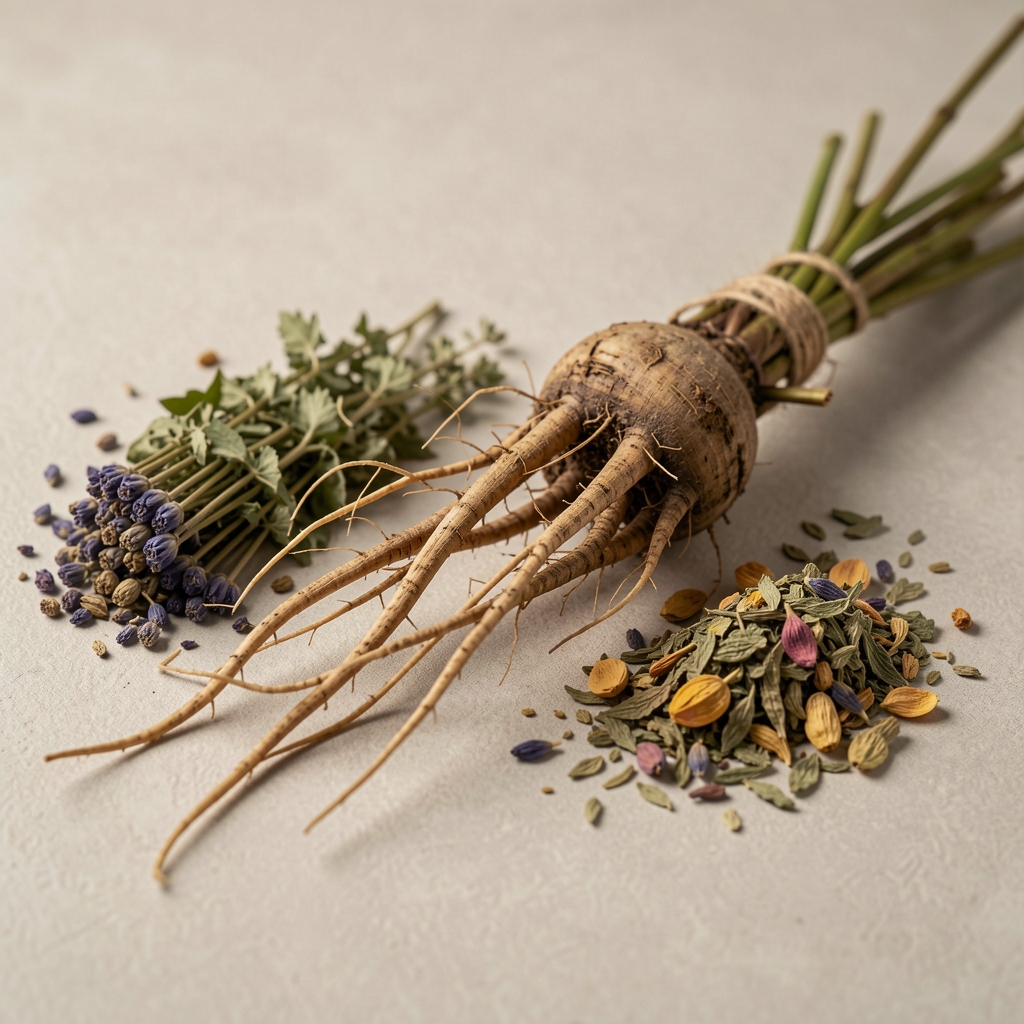
Ashwagandha KSM-66 is frequently discussed through the language of routine. For a reader comparing food supplement men, the important work is careful label reading, realistic timing, and attention to the wider day rather than to a single ingredient in isolation.
A product label can identify the named extract, serving guidance, amount, storage information, and manufacturer. Those details offer a starting point for comparison against other products on a shelf or in an online listing. They do not describe every person's food pattern, schedule, or circumstances, and an editorial record treats them as one input among several.
The editorial approach used for this article is therefore descriptive rather than evaluative. It records the product's own stated language and places it beside meals, movement, rest, and the reader's stated reason for exploring a supplement in the first place. No claim beyond what is printed on packaging is repeated as fact.
KSM-66 is a named, standardized ashwagandha root extract used by a number of manufacturers under license. Because the name itself is a brand identifier rather than a guarantee of any particular outcome, a careful reader still checks the surrounding label details: extraction method, root-to-extract ratio if disclosed, serving size, and any combination with other ingredients in the same capsule or sachet.
Products that combine several active ingredients in one serving can make comparison harder, since a reader cannot easily separate the contribution of any single component. Where a product lists ashwagandha alongside several other extracts, the editorial record notes the combination rather than treating the page as a single-ingredient review.

A routine becomes easier to understand when it is repeated consistently enough to observe. A short journal may include the date, meal context, serving information, and any practical notes about timing, such as whether a serving was taken with food or on an empty stomach.
This is not a demand for perfect tracking. It is a modest archive that helps a reader distinguish a single day's impression from a longer pattern, and it can be reviewed after a few weeks rather than after a single day. Many readers find that a plain notebook or a phone note app is sufficient for this purpose.
Write down the product name, serving size, and the time of day it is usually taken. Avoid drawing conclusions in this first week; the goal is simply an accurate description of the routine as it exists.
Add notes on meals, sleep, and typical work pattern for the same days. This gives the record a wider frame than the supplement alone, which is useful when comparing weeks later.
Compare the current week's notes with week one. Look for repetition rather than a single standout day, since a single day rarely represents a stable pattern.
Read the full month back and note anything worth discussing with a qualified professional, particularly if the routine involves other products or existing health considerations.
| Label element | Why it is worth reading |
|---|---|
| Extract name and standardization | Distinguishes a named, standardized extract from a generic root powder listing. |
| Serving size | Allows comparison between products measured in different units or capsule counts. |
| Other listed ingredients | Shows whether the product is single-ingredient or part of a wider blend. |
| Manufacturer and origin | Useful for locating further published information about the specific producer. |
| Storage instructions | Affects how a product should be kept at home, particularly in a humid climate. |
| Batch or lot reference | Useful if a reader ever needs to reference a specific production batch. |
This article is editorial in nature and does not replace individual advice. Readers with existing health considerations, or those currently following guidance from a qualified professional, are encouraged to discuss any new supplement with that professional before adding it to a routine.
No. KSM-66 is a specific, standardized extract produced under license by certain manufacturers, while root powder is a less processed and less standardized form. Labels usually distinguish between the two.
There is no fixed rule, though many of the notebooks referenced in this editorial process cover at least four consecutive weeks before any pattern is discussed.
Serving guidance printed on a label reflects the manufacturer's own recommendation. A qualified professional is better placed to discuss whether that guidance fits an individual's specific circumstances.
"The most useful ashwagandha notes I have read from contributors were the plainest ones — a date, a serving, a meal, and a mood word or two. Nothing more elaborate was needed to see a pattern emerge across a month."
— Fajar Kurniawan, contributing editor